Introduction
Ever wondered what makes Montessori schools stand out when it comes to discipline? In a world where traditional methods often rely on strict rules and punishments, the Montessori approach takes a different route, focusing on respect, self-regulation, and natural consequences. This article dives deep into the Montessori discipline methodology, especially as applied in Torrance schools, to show how this unique approach fosters respect and responsibility in students.
What is the Montessori Approach?
Origins of Montessori Education
The Montessori method, developed by Dr. Maria Montessori in the early 1900s, is an educational approach rooted in scientific observations of children. Montessori believed that children learn best in an environment that supports their natural development and encourages them to explore their interests.
Core Principles and Philosophies
The Montessori philosophy revolves around several core principles: respect for the child, the importance of a prepared environment, self-directed learning, and the role of the teacher as a guide rather than an instructor. These principles collectively create a nurturing environment where discipline is naturally integrated into the learning process.
Key Elements of Montessori Discipline
Respect for the Child
Respect for the child is the cornerstone of the Montessori discipline approach. Children are treated as capable individuals with unique needs and perspectives, which fosters a mutual sense of respect between the teacher and the student.
Self-Discipline and Self-Regulation
Montessori discipline emphasizes the development of self-discipline and self-regulation. Children are given the freedom to make choices within set boundaries, helping them learn to manage their behavior and make responsible decisions.
Natural Consequences
Instead of punitive measures, Montessori discipline uses natural consequences to teach lessons. This approach helps children understand the impact of their actions in a real-world context, promoting accountability and empathy.
Positive Reinforcement
Positive reinforcement is used to encourage desirable behavior. By acknowledging and rewarding positive actions, children are motivated to repeat them, building a foundation of good habits and self-esteem.
The Role of the Teacher in Montessori Discipline

Teacher as a Guide
In Montessori classrooms, teachers act as guides rather than traditional instructors. They observe and understand each child’s needs, offering support and guidance to help them navigate their learning journey.
Modeling Respectful Behavior
Teachers model respectful behavior in their interactions with students and other adults. This modeling helps children learn how to treat others with respect and kindness, reinforcing the core values of the Montessori method.
Creating a Prepared Environment
A key responsibility of the teacher is to create a prepared environment that supports self-directed learning and discipline. This environment is carefully designed to be organized, accessible, and conducive to exploration.
Creating a Prepared Environment for Discipline
Organized and Accessible Spaces
In a Montessori classroom, everything has its place. Materials are organized and easily accessible, which helps children learn to take care of their environment and understand the importance of order.
Age-Appropriate Materials
The materials in a Montessori classroom are chosen based on the developmental stage of the children. These materials encourage exploration and learning at a pace that suits each child, fostering independence and self-discipline.
Freedom Within Limits
Children are given the freedom to choose their activities within certain limits. This balance of freedom and structure helps them learn self-regulation and respect for the boundaries set by their community.
Respect for the Child: A Cornerstone of Montessori Discipline
Understanding Individual Needs
Each child is unique, and the Montessori approach recognizes this by tailoring the learning experience to meet individual needs. This personalized attention helps children feel valued and respected.
Encouraging Independence
Montessori education encourages children to be independent and take charge of their learning. This independence builds confidence and helps them develop a strong sense of responsibility.
Building Self-Esteem
By treating children with respect and giving them the tools to succeed, the Montessori approach helps build their self-esteem. Children learn to trust their abilities and feel good about their accomplishments.
Self-Discipline and Self-Regulation in Montessori Education
Encouraging Decision-Making
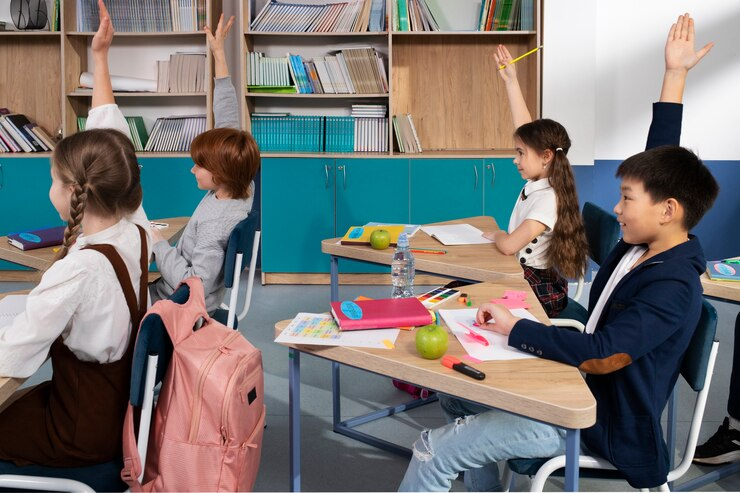
Children in Montessori schools are encouraged to make decisions about their activities and learning. This practice helps them develop critical thinking skills and the ability to self-regulate.
Developing Inner Discipline
The Montessori method focuses on helping children develop inner discipline. By learning to manage their behavior and make thoughtful decisions, children build the foundation for lifelong self-control.
Role of Choice in Fostering Self-Regulation
Giving children choices within a structured environment helps them learn to regulate their actions and understand the consequences of their decisions. This practice promotes self-discipline and responsible behavior.
Natural Consequences vs. Punishments
Definition of Natural Consequences
Natural consequences are outcomes that happen as a direct result of a child’s actions. Unlike imposed punishments, these consequences are logical and related to the behavior, helping children learn from their experiences.
Examples of Natural Consequences in the Classroom
For instance, if a child spills water while pouring, they will naturally have to clean it up. This consequence teaches responsibility and care without the need for punitive measures.
Benefits Over Traditional Punishments
Natural consequences help children understand the real-world impact of their actions, promoting a deeper understanding and internalization of lessons learned compared to traditional punishments.
Positive Reinforcement in Montessori Classrooms
Strategies for Positive Reinforcement
Montessori teachers use various strategies for positive reinforcement, such as verbal praise, encouragement, and recognition of effort. These methods help children feel valued and motivated to continue positive behaviors.
Impact on Child Behavior
Positive reinforcement builds a positive classroom atmosphere and encourages children to repeat desirable behaviors. It helps create a supportive environment where children feel safe to take risks and learn.
Long-Term Benefits
The long-term benefits of positive reinforcement include increased self-esteem, better social skills, and a stronger sense of community. Children learn to associate good behavior with positive outcomes, which can last a lifetime.
Montessori Approach to Conflict Resolution
Teaching Problem-Solving Skills
Conflict resolution is an essential part of the Montessori curriculum. Children are taught problem-solving skills that help them navigate disputes and find peaceful solutions.
Role-Playing and Practice
Role-playing scenarios and practice sessions help children understand different perspectives and develop empathy. These activities prepare them to handle real-life conflicts effectively.
Peer Mediation Techniques
Peer mediation is encouraged in Montessori classrooms, allowing children to help each other resolve conflicts. This practice fosters a sense of community and mutual respect.
Case Study: Montessori Discipline in Torrance Schools
Overview of Torrance Montessori Schools
Torrance schools have embraced the Montessori approach, integrating its principles into their discipline strategies. This section explores how these schools implement and benefit from Montessori discipline.
Specific Practices and Successes
Torrance Montessori schools have seen significant success with practices such as natural consequences, positive reinforcement, and a focus on respect. Teachers and parents report improved behavior and academic performance.
Testimonials from Teachers and Parents
Teachers and parents at Montessori schools in Torrance, CA share their positive experiences with the Montessori discipline approach, highlighting its impact on students’ development and well-being.
Challenges and Misconceptions
Common Challenges in Implementing Montessori Discipline
Implementing Montessori discipline can be challenging, especially in larger classrooms or with children unfamiliar with the approach. Teachers need training and support to effectively manage these challenges.
Addressing Misconceptions
There are several misconceptions about Montessori discipline, such as the idea that it lacks structure or is too lenient. This section addresses these misconceptions and clarifies the true nature of Montessori discipline.
Benefits of Montessori Discipline Approach
Academic Benefits
Montessori discipline supports academic success by fostering a love of learning and encouraging self-directed study. Children develop strong problem-solving skills and a deep understanding of subjects.
Social and Emotional Development
The focus on respect, self-regulation, and positive reinforcement helps children develop essential social and emotional skills. They learn to interact positively with peers and adults.
Preparing for Future Success
By building a foundation of self-discipline, responsibility, and respect, the Montessori discipline approach prepares children for future success in all areas of life.
Montessori Discipline at Home

Tips for Parents to Apply Montessori Principles
Parents can apply Montessori principles at home by creating a prepared environment, encouraging independence, and using natural consequences and positive reinforcement.
Creating a Montessori-Friendly Home Environment
A Montessori-friendly home environment includes organized spaces, accessible materials, and opportunities for children to make choices and take responsibility.
Conclusion
In summary, the Montessori approach to discipline, with its emphasis on respect, self-regulation, and natural consequences, offers a unique and effective way to foster responsibility and positive behavior in children. Torrance schools’ successful implementation of this approach highlights its potential benefits for students’ academic, social, and emotional development.
FAQs
What makes Montessori discipline different from traditional methods?
Montessori discipline focuses on respect, self-regulation, and natural consequences rather than punitive measures. It encourages children to understand the impact of their actions and develop inner discipline.
How can parents support Montessori discipline at home?
Parents can support Montessori discipline by creating a prepared environment, encouraging independence, and using natural consequences and positive reinforcement to guide behavior.
Are there any drawbacks to the Montessori approach to discipline?
While the Montessori approach has many benefits, it can be challenging to implement, especially without proper training and support. Some misconceptions about its structure and effectiveness also exist.
How do Montessori teachers handle serious behavioral issues?
Montessori teachers address serious behavioral issues through observation, understanding the underlying causes, and using strategies such as natural consequences, positive reinforcement, and conflict resolution techniques.
What age group benefits most from Montessori discipline methods?
While Montessori discipline methods can benefit children of all ages, they are particularly effective for early childhood and elementary-aged children, helping to build a strong foundation for future development.
 Village Park Montessori
Leave a comment