Early childhood is a critical period for developing social skills, and quality daycare programs play a crucial role in this development. For parents seeking the best opportunities for their children in Torrance, CA, understanding the benefits of child daycare can make all the difference. This article explores why daycare is essential for boosting social skills in early childhood, focusing on the latest updates and insights into early social development.
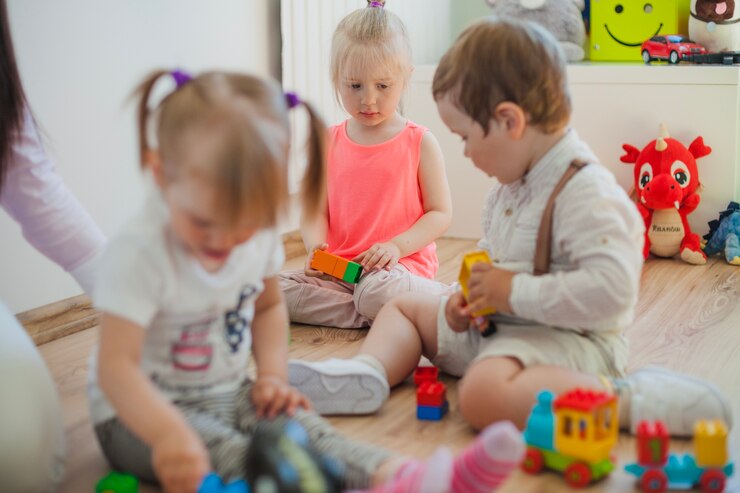
1. Structured Social Interaction
One of the primary benefits of daycare is the structured social interaction it provides. Unlike playdates or family gatherings, daycare centers offer a consistent environment where children interact with peers daily. This regular interaction is vital for developing social skills such as sharing, turn-taking, and cooperation. Child daycare in Torrance, CA, often implements structured activities that encourage children to work together and communicate, fostering essential social competencies.
2. Exposure to Diverse Peer Groups
Daycare centers typically have a diverse group of children, exposing young ones to various personalities, backgrounds, and social styles. This diversity helps children learn to navigate different social dynamics and adapt their behavior accordingly. Exposure to a broad peer group allows children to experience a range of social interactions and develop empathy, tolerance, and understanding—skills crucial for future social success.
3. Guided Social Learning
Many daycare programs employ trained professionals who use guided social learning techniques to help children develop their social skills. These educators are skilled in modeling appropriate behavior, facilitating group activities, and providing positive reinforcement. Child daycare in Torrance, CA, often focuses on creating an environment where children learn through observation and interaction. Teachers guide children in resolving conflicts, understanding emotions, and developing effective communication strategies.
4. Encouragement of Independence
Daycare settings often promote independence by encouraging children to make choices, manage their belongings, and participate in self-care routines. This autonomy is crucial for developing confidence and self-efficacy, which are foundational for positive social interactions. When children are encouraged to be independent in a supportive environment, they are more likely to approach social situations with a sense of security and assertiveness.
5. Development of Emotional Regulation
Understanding and managing emotions is a key component of social skills. Daycare provides a setting where children learn to recognize and regulate their emotions, both through direct instruction and by observing peers. Educators in child daycare in Torrance, CA, often incorporate emotional learning activities into their curriculum, helping children understand their feelings and respond to others’ emotions effectively.
6. Conflict Resolution Skills
Conflict resolution is a critical social skill that children often encounter in group settings. Daycare programs are designed to offer opportunities for children to experience and resolve conflicts in a guided manner. Through supervised play and structured activities, children learn to negotiate, compromise, and find solutions to disagreements. This practical experience is invaluable for developing effective problem-solving skills and managing interpersonal challenges.
7. Building Friendships
Daycare provides a fertile ground for children to form lasting friendships. Regular interactions with the same group of peers help build trust and familiarity, laying the foundation for strong social bonds. These friendships contribute to a child’s social development by providing a support system and opportunities for cooperative play. Child daycare in Torrance, CA, often emphasizes social activities that foster friendship-building and teamwork.
8. Preparation for School
The social skills acquired in daycare are essential for a smooth transition to formal schooling. Children who have participated in daycare programs are often better prepared for the social demands of school, such as group work, classroom behavior, and social integration. By the time they enter kindergarten, they have already developed a range of social skills that support their academic and social success.
9. Parental Involvement and Communication
Effective daycare programs often involve parents in the social development process. Regular communication between parents and daycare providers ensures that parents are aware of their child’s social progress and challenges. Child daycare in Torrance, CA, frequently offers parent-teacher conferences and updates, allowing parents to support their child’s social development at home and reinforce what is learned in daycare.
10. Long-Term Social Benefits
The social skills developed in early childhood have long-term benefits that extend into adulthood. Children who receive early social education through daycare are more likely to develop strong interpersonal skills, build healthy relationships, and navigate social situations with confidence. Investing in quality daycare can provide a strong foundation for your child’s future social and emotional well-being.
Conclusion
Daycare is a powerful tool for boosting social skills in early childhood, offering numerous benefits that support children’s social development. For parents in Torrance, CA, choosing a high-quality child daycare program can provide their children with the structured social interactions, diverse peer exposure, and guided learning necessary for thriving socially. By investing in quality child daycare, parents can ensure their children develop essential social skills that will serve them well throughout their lives.
 Village Park Montessori
Leave a comment